Friday, July 31, 2009

Care In Starting Of Pragnency(urdu)

Excerpt from book about saber-toothed cats

excerpt from the paperback "saber-toothed cats" of the Wiesbaden science author Ernst Probst:

Machairodus: The saber-toothed cat at Ur Rhein-

In Europe, Asia, Africa and North America lived by the Middle Miocene some 15 million years ago until the end of the Pliocene, some 2.6 million years various kinds of saber-toothed cat Machairodus. It thus has around twelve million
years and thus lasts longer than all other genera of true saber-toothed cats. The geologically recent finds of Machairodus arrived in North Africa (Tunisia) to light.

Machairodus The genus was investigated in 1833 by the zoologist and paleontologist Johann Jakob Kaup
(1803-1873), who worked at the Grand Ducal
natural history collection in Darmstadt,
first described scientifically. He
it had an upper canine pre-set (Fang and canine) from
Eppelsheim at Alzey in Rheinhessen.

The genus name is based on the Greek Machairodus
word "Machaira for a sword-like, in the classical Greece
employed as a butcher knife device and the
"odon" term (secondary form of "Odous") for a tooth. This is, to German
Machairodus about as much as "butcher knife tooth".

For the genus Machairodus krummsäbelige
canines are characteristic finely serrated edges. These edges
used already within a few years. The canines were markedly
Machairodus of the upper jaw
longer than those in the mandible. In contrast to the later occurring dagger-toothed cat Smilodon
wore Machairodus
shorter canines, but the longer were compared to current
big cats. Machairodus is - as mentioned - the saber-toothed cats ("scimitar cats" or "saber-toothed cats") expected.

Kaup has 1832, the saber-toothed cats Machairodus aphanistus
and Machairodus cultridens and the dagger-toothed cat
Paramachairodus ogygius to findings from some ten million
year-old deposits of the ancient Rhine at Eppelsheim
(Kreis Alzey-Worms) described in Rheinhessen. The
belongs there by Fossils surviving animals in the
Vallesian (about 11.1 to 8.7 million years), a period of late Miocene corresponds
that after a typical mammalian fauna
in the Valles Penedes, near Barcelona in Catalonia (Spain)
is designated. The stage was Vallesian 1950 by the English paleontologists
Miguel Crusafont-Pairo (1910 -
1983) suggested. http://www.libri.de


- * orders of the pocket book "saber-toothed cats" in http://www.grin.de

Care In Starting Of Pragnency(urdu)

Excerpt from book about saber-toothed cats

excerpt from the paperback "saber-toothed cats" of the Wiesbaden science author Ernst Probst:

Machairodus: The saber-toothed cat at Ur Rhein-

In Europe, Asia, Africa and North America lived by the Middle Miocene some 15 million years ago until the end of the Pliocene, some 2.6 million years various kinds of saber-toothed cat Machairodus. It thus has around twelve million
years and thus lasts longer than all other genera of true saber-toothed cats. The geologically recent finds of Machairodus arrived in North Africa (Tunisia) to light.

Machairodus The genus was investigated in 1833 by the zoologist and paleontologist Johann Jakob Kaup
(1803-1873), who worked at the Grand Ducal
natural history collection in Darmstadt,
first described scientifically. He
it had an upper canine pre-set (Fang and canine) from
Eppelsheim at Alzey in Rheinhessen.

The genus name is based on the Greek Machairodus
word "Machaira for a sword-like, in the classical Greece
employed as a butcher knife device and the
"odon" term (secondary form of "Odous") for a tooth. This is, to German
Machairodus about as much as "butcher knife tooth".

For the genus Machairodus krummsäbelige
canines are characteristic finely serrated edges. These edges
used already within a few years. The canines were markedly
Machairodus of the upper jaw
longer than those in the mandible. In contrast to the later occurring dagger-toothed cat Smilodon
wore Machairodus
shorter canines, but the longer were compared to current
big cats. Machairodus is - as mentioned - the saber-toothed cats ("scimitar cats" or "saber-toothed cats") expected.

Kaup has 1832, the saber-toothed cats Machairodus aphanistus
and Machairodus cultridens and the dagger-toothed cat
Paramachairodus ogygius to findings from some ten million
year-old deposits of the ancient Rhine at Eppelsheim
(Kreis Alzey-Worms) described in Rheinhessen. The
belongs there by Fossils surviving animals in the
Vallesian (about 11.1 to 8.7 million years), a period of late Miocene corresponds
that after a typical mammalian fauna
in the Valles Penedes, near Barcelona in Catalonia (Spain)
is designated. The stage was Vallesian 1950 by the English paleontologists
Miguel Crusafont-Pairo (1910 -
1983) suggested. http://www.libri.de


- * orders of the pocket book "saber-toothed cats" in http://www.grin.de

Vba Mac Pokemon Get Cut

Video: "Paper Airplane Sabertooth Tiger"


Video: "Paper Airplane Sabertooth Tiger" from "kawasaro" at "YouTube"
http://www.youtube.com/watch?v=ewfmCowW20A

The saber-toothed tiger is a very popular paper airplanes from the U.S.. There he was known to every child. Here in Germany and Europe, it is however quite unknown. The following video tutorial shows how to fold the saber tooth tiger right.

*

literature on saber-toothed tiger
Ernst Probst: saber-toothed cats. Smilodon to mention Machairodus up. GRIN, Munich 2009

saber-toothed cats and saber-tooth tiger, as they were called earlier fascination since time immemorial, people all over the world. These big cats and, in extreme cases up to 28 inches long canines are among the best known prehistoric mammals. The first of them already in the Miocene drove around before 15 million years ago on our "Blue Planet". The last disappeared towards the end of the Ice Age 11,700 years ago, forever out of nature.

deal with these more or less impressive big cats in the paperback "saber-toothed cats". It is in Germany, Europe, Africa, Asia and America discovered species from the saber-toothed cats and dagger-toothed cats and other prehistoric predators, namely, Mosbacher lions, cave lions, European jaguars, leopards, snow leopards, cheetahs and pumas.

The idea for this paperback about saber-toothed cats matured during the search for the titles published in 2009 "The Ur-Rhine. Rheinhessen ten million years "and" cave lions. Wild cats in Ice Age "by Ernst Probst. For this it was often to saber-toothed cats and dagger toothed cats.

The paperback "saber-toothed cats", Professor Dr. Helmut Hemmer of Mainz, Thomas Keller from Wiesbaden and Dick Mol of Hoofddorp (Netherlands) perspectives. Professor Dr. Helmut Hemmer is an internationally renowned expert in fossil cats and was formerly at the Zoological Institute of the University of Mainz active. Dr. Thomas Keller works as a paleontologist at the State Conservation Office in Wiesbaden, Hessen and has sought to explore the Mosbach sands and their fossil fauna great service. Dick Mol is an expert on fossil mammals from the ice age (especially mammoth) from Hoofddorp (Netherlands). All three have often helped the author with great patience during the research for different books.

Ernst Probst has published over 30 books and paperbacks. The most famous of his works "Germany in prehistoric times", "Germany in the Stone Age", "Germany in the Bronze Age," are "records of ancient times", "Dinosaurs in Germany" (with Raymund Windolf) "Records of the primitive man" and " monsters on the track. "

Vba Mac Pokemon Get Cut

Video: "Paper Airplane Sabertooth Tiger"


Video: "Paper Airplane Sabertooth Tiger" from "kawasaro" at "YouTube"
http://www.youtube.com/watch?v=ewfmCowW20A

The saber-toothed tiger is a very popular paper airplanes from the U.S.. There he was known to every child. Here in Germany and Europe, it is however quite unknown. The following video tutorial shows how to fold the saber tooth tiger right.

*

literature on saber-toothed tiger
Ernst Probst: saber-toothed cats. Smilodon to mention Machairodus up. GRIN, Munich 2009

saber-toothed cats and saber-tooth tiger, as they were called earlier fascination since time immemorial, people all over the world. These big cats and, in extreme cases up to 28 inches long canines are among the best known prehistoric mammals. The first of them already in the Miocene drove around before 15 million years ago on our "Blue Planet". The last disappeared towards the end of the Ice Age 11,700 years ago, forever out of nature.

deal with these more or less impressive big cats in the paperback "saber-toothed cats". It is in Germany, Europe, Africa, Asia and America discovered species from the saber-toothed cats and dagger-toothed cats and other prehistoric predators, namely, Mosbacher lions, cave lions, European jaguars, leopards, snow leopards, cheetahs and pumas.

The idea for this paperback about saber-toothed cats matured during the search for the titles published in 2009 "The Ur-Rhine. Rheinhessen ten million years "and" cave lions. Wild cats in Ice Age "by Ernst Probst. For this it was often to saber-toothed cats and dagger toothed cats.

The paperback "saber-toothed cats", Professor Dr. Helmut Hemmer of Mainz, Thomas Keller from Wiesbaden and Dick Mol of Hoofddorp (Netherlands) perspectives. Professor Dr. Helmut Hemmer is an internationally renowned expert in fossil cats and was formerly at the Zoological Institute of the University of Mainz active. Dr. Thomas Keller works as a paleontologist at the State Conservation Office in Wiesbaden, Hessen and has sought to explore the Mosbach sands and their fossil fauna great service. Dick Mol is an expert on fossil mammals from the ice age (especially mammoth) from Hoofddorp (Netherlands). All three have often helped the author with great patience during the research for different books.

Ernst Probst has published over 30 books and paperbacks. The most famous of his works "Germany in prehistoric times", "Germany in the Stone Age", "Germany in the Bronze Age," are "records of ancient times", "Dinosaurs in Germany" (with Raymund Windolf) "Records of the primitive man" and " monsters on the track. "

Thursday, July 30, 2009

Slide Door Part 3750337

Lion Great Sabre tooth tiger in the Ur-Rhine


Video: "Machairodus africanus" of "TvAnimals" at "YouTube"
http://www.youtube.com/watch?v=BatauseBhZM

Wiesbaden (saber-tooth tiger blog) - On the banks of the ancient Rhine in southwestern Germany lived about ten million years ago lions large saber-toothed tiger. More on this issue is in the pocket books, "The Ur-Rhine" and "saber-toothed cats" of the Wiesbaden science author Ernst Probst. The saber-toothed tigers at the Ur-Rhine is the kind Machairodus aphanistus, the first time in finds from the area of Eppelsheim in Rhineland-Palatinate was described. Contemporaries, this saber-toothed tigers were dagger-toothed cats the way Paramachairodus ogygius that only about half have been that great. The pocket books "The Ur-Rhine" and "saber-toothed cats" are in "GRIN for academic texts" http://www.grin.com/e-book/127539/saebelzahnkatzen available in printed and electronic versions.

saber-toothed cats and saber-tooth tiger, as they were called earlier fascination since time immemorial, people all over the world. These big cats and, in extreme cases up to 28 inches long canines are among the best known prehistoric mammals. The first of them already hunted in the Miocene about 15 million years ago on our "Blue Planet". The last disappeared towards the end of the Ice Age 11,700 years ago, forever out of nature.

deal with these more or less impressive big cats in the paperback "saber-toothed cats". It is in Germany, Europe, Africa, Asia and America discovered species from the saber-toothed cats and dagger-toothed cats and other prehistoric predators, namely, Mosbacher lions, cave lions, European jaguars, leopards, snow leopards, cheetahs and pumas.

The idea for this paperback about saber-toothed cats matured during the search for the 2009 they released the titles "The Ur-Rhine. Rheinhessen ten million years "and" cave lions. Wild cats in Ice Age "by Ernst Probst. For this it was often to saber-toothed cats and dagger toothed cats.

The paperback "saber-toothed cats", Professor Dr. Helmut Hemmer of Mainz, Thomas Keller from Wiesbaden and Dick Mol of Hoofddorp (Netherlands) perspectives. Professor Dr. Helmut Hemmer is an internationally renowned expert in fossil cats and was formerly at the Zoological Institute of the University of Mainz active. Dr. Thomas Keller works as a paleontologist at the State Conservation Office in Wiesbaden, Hessen and has sought to explore the Mosbach sands and their fossil fauna rendered outstanding. Dick Mol is an expert on fossil mammals from the ice age (especially mammoth) from Hoofddorp (Netherlands). All three have often helped the author with great patience during the research for different books.

Ernst Probst has published over 30 books and paperbacks. The most famous of his works "Germany in prehistoric times", "Germany in the Stone Age", "Germany in the Bronze Age," are "records of ancient times", "Dinosaurs in Germany" (with Raymund Windolf) "Records of the primitive man" and " monsters on the track. "

Slide Door Part 3750337

Lion Great Sabre tooth tiger in the Ur-Rhine


Video: "Machairodus africanus" of "TvAnimals" at "YouTube"
http://www.youtube.com/watch?v=BatauseBhZM

Wiesbaden (saber-tooth tiger blog) - On the banks of the ancient Rhine in southwestern Germany lived about ten million years ago lions large saber-toothed tiger. More on this issue is in the pocket books, "The Ur-Rhine" and "saber-toothed cats" of the Wiesbaden science author Ernst Probst. The saber-toothed tigers at the Ur-Rhine is the kind Machairodus aphanistus, the first time in finds from the area of Eppelsheim in Rhineland-Palatinate was described. Contemporaries, this saber-toothed tigers were dagger-toothed cats the way Paramachairodus ogygius that only about half have been that great. The pocket books "The Ur-Rhine" and "saber-toothed cats" are in "GRIN for academic texts" http://www.grin.com/e-book/127539/saebelzahnkatzen available in printed and electronic versions.

saber-toothed cats and saber-tooth tiger, as they were called earlier fascination since time immemorial, people all over the world. These big cats and, in extreme cases up to 28 inches long canines are among the best known prehistoric mammals. The first of them already hunted in the Miocene about 15 million years ago on our "Blue Planet". The last disappeared towards the end of the Ice Age 11,700 years ago, forever out of nature.

deal with these more or less impressive big cats in the paperback "saber-toothed cats". It is in Germany, Europe, Africa, Asia and America discovered species from the saber-toothed cats and dagger-toothed cats and other prehistoric predators, namely, Mosbacher lions, cave lions, European jaguars, leopards, snow leopards, cheetahs and pumas.

The idea for this paperback about saber-toothed cats matured during the search for the 2009 they released the titles "The Ur-Rhine. Rheinhessen ten million years "and" cave lions. Wild cats in Ice Age "by Ernst Probst. For this it was often to saber-toothed cats and dagger toothed cats.

The paperback "saber-toothed cats", Professor Dr. Helmut Hemmer of Mainz, Thomas Keller from Wiesbaden and Dick Mol of Hoofddorp (Netherlands) perspectives. Professor Dr. Helmut Hemmer is an internationally renowned expert in fossil cats and was formerly at the Zoological Institute of the University of Mainz active. Dr. Thomas Keller works as a paleontologist at the State Conservation Office in Wiesbaden, Hessen and has sought to explore the Mosbach sands and their fossil fauna rendered outstanding. Dick Mol is an expert on fossil mammals from the ice age (especially mammoth) from Hoofddorp (Netherlands). All three have often helped the author with great patience during the research for different books.

Ernst Probst has published over 30 books and paperbacks. The most famous of his works "Germany in prehistoric times", "Germany in the Stone Age", "Germany in the Bronze Age," are "records of ancient times", "Dinosaurs in Germany" (with Raymund Windolf) "Records of the primitive man" and " monsters on the track. "

Wednesday, July 29, 2009

Seriennummer Für Sims 3 Exchange

question: Have discovered in Germany saber tooth tiger?

interview with the Wiesbaden-based science writer Ernst Probst

*

question: Have discovered in Germany saber tooth tiger?

Answer: In Germany, were discovered remains of saber-tooth tigers and saber-toothed cats and Machairodus Homotherium. Finds of Machairodus you know from Rhineland-Palatinate and Baden-Wuerttemberg, finds of Homotherium from Baden-Wuerttemberg, Bavaria, Hesse and Thuringia. In addition, we hid the fossils in Germany dagger toothed cats and Paramachairodus Megantereon. Paramachairodus you know from Rhineland-Palatinate, Megantereon from Thuringia.

*

literature on the topic:

Ernst Probst: saber-toothed cats. Smilodon to mention Machairodus up. GRIN, Munich 2009

Seriennummer Für Sims 3 Exchange

question: Have discovered in Germany saber tooth tiger?

interview with the Wiesbaden-based science writer Ernst Probst

*

question: Have discovered in Germany saber tooth tiger?

Answer: In Germany, were discovered remains of saber-tooth tigers and saber-toothed cats and Machairodus Homotherium. Finds of Machairodus you know from Rhineland-Palatinate and Baden-Wuerttemberg, finds of Homotherium from Baden-Wuerttemberg, Bavaria, Hesse and Thuringia. In addition, we hid the fossils in Germany dagger toothed cats and Paramachairodus Megantereon. Paramachairodus you know from Rhineland-Palatinate, Megantereon from Thuringia.

*

literature on the topic:

Ernst Probst: saber-toothed cats. Smilodon to mention Machairodus up. GRIN, Munich 2009

Tuesday, July 28, 2009

Ricker Island Schedule

Which saber-toothed tiger was the largest canine teeth? Read


Video: "Smilodon Populator" of "TvAnimals" at "YouTube"
http://www.youtube.com/watch?v = x3GFhy2RhJ4

*

interview with the Wiesbaden-based science writer Ernst Probst


* Question: What was the largest saber-tooth tiger canine teeth (also called canines)?

Answer: The largest canines had - to judge by the finds - the saber tooth tiger Smilodon Populator from eastern Areas of South America. Its upper canine teeth were up to 28 centimeters, which rose more than 17 inches from the upper jaw. Smilodon Populator reach a shoulder height of 1.20 meters, a body length of about 2.10 meters and a weight of 220 to 260 kg. For body length there was another estimated 20 centimeters long to tail. According to current opinion Populator Smilodon belongs not to the saber-tooth tigers and saber-toothed cats, but to the so-called dagger toothed cats. The latter term has, however, with laymen and some scientists even when not fully enforced. Dagger-toothed cats were built as opposed to saber-toothed cats, rather robust, and had short strong legs, an elongated body and a longer, narrower canine teeth. The genus name Smilodon means knife tooth, "and the species name Populator" He who brings destruction. " A picture of Smilodon Populator is in paperback "saber-toothed cats" to see.

*

literature on the topic:

Ernst Probst: saber-toothed cats. Smilodon to mention Machairodus up. GRIN, Munich 2009

Ricker Island Schedule

Which saber-toothed tiger was the largest canine teeth? Read


Video: "Smilodon Populator" of "TvAnimals" at "YouTube"
http://www.youtube.com/watch?v = x3GFhy2RhJ4

*

interview with the Wiesbaden-based science writer Ernst Probst


* Question: What was the largest saber-tooth tiger canine teeth (also called canines)?

Answer: The largest canines had - to judge by the finds - the saber tooth tiger Smilodon Populator from eastern Areas of South America. Its upper canine teeth were up to 28 centimeters, which rose more than 17 inches from the upper jaw. Smilodon Populator reach a shoulder height of 1.20 meters, a body length of about 2.10 meters and a weight of 220 to 260 kg. For body length there was another estimated 20 centimeters long to tail. According to current opinion Populator Smilodon belongs not to the saber-tooth tigers and saber-toothed cats, but to the so-called dagger toothed cats. The latter term has, however, with laymen and some scientists even when not fully enforced. Dagger-toothed cats were built as opposed to saber-toothed cats, rather robust, and had short strong legs, an elongated body and a longer, narrower canine teeth. The genus name Smilodon means knife tooth, "and the species name Populator" He who brings destruction. " A picture of Smilodon Populator is in paperback "saber-toothed cats" to see.

*

literature on the topic:

Ernst Probst: saber-toothed cats. Smilodon to mention Machairodus up. GRIN, Munich 2009

Monday, July 27, 2009

Masterbate Encouragment

saber-toothed tiger in Wiesbaden

Wiesbaden (cats environment) - In Germany, Wiesbaden is the only large city, were discovered in the territory of fossil remains of saber-toothed cats. Previously known three specimens of saber-toothed cats (formerly known Saber-toothed tiger named) from Wiesbaden. All three specimens were in the 600,000-year-old Mosbach sands to light. These alluvial deposits are named after the former village Mosbach between Wiesbaden and Biebrich.

The Wiesbaden discovered bones of saber-toothed cats is they are remnants of the great lion-type Homotherium crenatidens. Those saber-toothed cat reached a shoulder height of about 1.10 meters and a total length of about 1.90 meters. Males of this type weighed according to the Mainz zoologist Helmut Hemmer up to 400 kilograms, smaller females up to 170 kilograms.

1950, hid in the sands of Mosbach-Wiesbaden upper arm bone fragment, 1960 a femur fragment and 1963, the metacarpal bones of saber-toothed cat Homotherium crenatidens. These three bones are located in the Natural History Museum in Mainz, which has the largest collection of ice age animals in the Rhine-Main area. Read

this is the paperback "saber-toothed cat" (ISBN 978-3-640-32794-2) of the Wiesbaden science author Ernst Probst. This richly illustrated paperback is the Mainz cat specialist Prof. Dr. Helmut Hemmer, dedicated to the Wiesbaden-based paleontologist Dr. Thomas Keller and the Dutch mammoth expert Dick Mol.

Fossil remains of Homotherium crenatidens you know from Baden-Wuerttemberg, Bavaria, Rhineland-Palatinate and Thuringia. Predatory contemporaries the saber-toothed cats from about 600,000 years ago, giant lions, jaguars, leopards and cheetahs.

Ernst Probst from the well is also published in 2009 Paperback "cave lions". That shows that in the Wiesbaden area 3.60 meters long giant lions roamed, were about two feet longer than today's lions in Africa.

orders of the pocket books "saber-toothed cats" and "cave lions" at http://www.grin.de

Masterbate Encouragment

saber-toothed tiger in Wiesbaden

Wiesbaden (cats environment) - In Germany, Wiesbaden is the only large city, were discovered in the territory of fossil remains of saber-toothed cats. Previously known three specimens of saber-toothed cats (formerly known Saber-toothed tiger named) from Wiesbaden. All three specimens were in the 600,000-year-old Mosbach sands to light. These alluvial deposits are named after the former village Mosbach between Wiesbaden and Biebrich.

The Wiesbaden discovered bones of saber-toothed cats is they are remnants of the great lion-type Homotherium crenatidens. Those saber-toothed cat reached a shoulder height of about 1.10 meters and a total length of about 1.90 meters. Males of this type weighed according to the Mainz zoologist Helmut Hemmer up to 400 kilograms, smaller females up to 170 kilograms.

1950, hid in the sands of Mosbach-Wiesbaden upper arm bone fragment, 1960 a femur fragment and 1963, the metacarpal bones of saber-toothed cat Homotherium crenatidens. These three bones are located in the Natural History Museum in Mainz, which has the largest collection of ice age animals in the Rhine-Main area. Read

this is the paperback "saber-toothed cat" (ISBN 978-3-640-32794-2) of the Wiesbaden science author Ernst Probst. This richly illustrated paperback is the Mainz cat specialist Prof. Dr. Helmut Hemmer, dedicated to the Wiesbaden-based paleontologist Dr. Thomas Keller and the Dutch mammoth expert Dick Mol.

Fossil remains of Homotherium crenatidens you know from Baden-Wuerttemberg, Bavaria, Rhineland-Palatinate and Thuringia. Predatory contemporaries the saber-toothed cats from about 600,000 years ago, giant lions, jaguars, leopards and cheetahs.

Ernst Probst from the well is also published in 2009 Paperback "cave lions". That shows that in the Wiesbaden area 3.60 meters long giant lions roamed, were about two feet longer than today's lions in Africa.

orders of the pocket books "saber-toothed cats" and "cave lions" at http://www.grin.de

Saturday, July 25, 2009

Canon A95 как веб

In "Google Book Search" book about saber-toothed tiger saber-toothed tiger


Wiesbaden (saber-tooth tiger-blog) - Google Book Search makes it possible: At the address
http://books.google.de/books?id=7CVcf1_E0fIC&pg=PT29&dq=S% C3% A4belzahnkatzen
can be free and comfortable look in the pocketbook " saber-toothed cats "of the Wiesbaden science author Ernst Probst throw. The reading test presents several chapters of this paperback, the saber-toothed cats and dagger-toothed cats from all over the world in words and pictures presents.

The title of "saber-toothed cats," as printed in Paperback "Libri" under http://www.libri.de/shop/action/productDetails/8521187/ernst_probst_saebelzahnkatzen_3640327942.html in and around 100 online book stores at a price of 24.99 euros. In "GRIN for academic texts" is an e-book under http://www.grin.com/e-book/127539/saebelzahnkatzen for the price of 14.99 euros.

The publication is lavishly illustrated. A special feast for the eyes are drawings of illustrators Mauricio Antón in Madrid and Major Pavel from Prague. Ernst Probst recently published the paperback books "The Ur-Rhine" and "cave lions". The latter contain information on all records of glacial-lion in Germany.

saber-toothed cats and saber-tooth tiger, as they were called earlier fascinate Since time immemorial, people all over the world. These big cats and, in extreme cases up to 28 inches long canines are among the best known prehistoric mammals. The first of them already raced in the Miocene about 15 million years ago on our "Blue Planet". The last disappeared towards the end of the Ice Age 11,700 years ago, forever out of nature.

deal with these more or less impressive big cats in the paperback "saber-toothed cats". It is in Germany, Europe, Africa, Asia and America discovered species from the saber-toothed cats and dagger-toothed cats and other prehistoric predators, namely, Mosbacher lions, cave lions, European jaguars, leopards, snow leopards, cheetahs and pumas.

The idea for this paperback about saber-toothed cats matured during the search for the 2009 was released the titles "The Ur-Rhine. Rheinhessen ten million years "and" cave lions. Wild cats in Ice Age "by Ernst Probst. For this it was often to saber-toothed cats and dagger toothed cats.

The paperback "saber-toothed cats", Professor Dr. Helmut Hemmer of Mainz, Thomas Keller from Wiesbaden and Dick Mol of Hoofddorp (Netherlands) perspectives. Professor Dr. Helmut Hemmer is an internationally renowned expert in fossil cats and was formerly at the Zoological Institute of the University of Mainz active. Dr. Thomas Keller works as a paleontologist at the State Conservation Office in Wiesbaden, Hessen and has made outstanding contributions to the study of the Mosbach sands and its fossil fauna. Dick Mol is an expert on fossil mammals from the ice age (especially mammoth) from Hoofddorp (Netherlands). All three have often helped the author with great patience during the research for different books.

Ernst Probst has published over 30 books and paperbacks. Best known are his works of "Germany in prehistoric times", "Germany in the Stone Age", "Germany in the Bronze Age," "Records prehistoric times "," Dinosaurs in Germany "(with Raymund Windolf)" Records of the primitive man "and" monsters on the track. "

In "Google Book Search" http://books.google.de you can also find excerpts of the pocket books "The Ur-Rhine" and "cave lions" von Ernst Probst.

Canon A95 как веб

In "Google Book Search" book about saber-toothed tiger saber-toothed tiger


Wiesbaden (saber-tooth tiger-blog) - Google Book Search makes it possible: At the address
http://books.google.de/books?id=7CVcf1_E0fIC&pg=PT29&dq=S% C3% A4belzahnkatzen
can be free and comfortable look in the pocketbook " saber-toothed cats "of the Wiesbaden science author Ernst Probst throw. The reading test presents several chapters of this paperback, the saber-toothed cats and dagger-toothed cats from all over the world in words and pictures presents.

The title of "saber-toothed cats," as printed in Paperback "Libri" under http://www.libri.de/shop/action/productDetails/8521187/ernst_probst_saebelzahnkatzen_3640327942.html in and around 100 online book stores at a price of 24.99 euros. In "GRIN for academic texts" is an e-book under http://www.grin.com/e-book/127539/saebelzahnkatzen for the price of 14.99 euros.

The publication is lavishly illustrated. A special feast for the eyes are drawings of illustrators Mauricio Antón in Madrid and Major Pavel from Prague. Ernst Probst recently published the paperback books "The Ur-Rhine" and "cave lions". The latter contain information on all records of glacial-lion in Germany.

saber-toothed cats and saber-tooth tiger, as they were called earlier fascinate Since time immemorial, people all over the world. These big cats and, in extreme cases up to 28 inches long canines are among the best known prehistoric mammals. The first of them already raced in the Miocene about 15 million years ago on our "Blue Planet". The last disappeared towards the end of the Ice Age 11,700 years ago, forever out of nature.

deal with these more or less impressive big cats in the paperback "saber-toothed cats". It is in Germany, Europe, Africa, Asia and America discovered species from the saber-toothed cats and dagger-toothed cats and other prehistoric predators, namely, Mosbacher lions, cave lions, European jaguars, leopards, snow leopards, cheetahs and pumas.

The idea for this paperback about saber-toothed cats matured during the search for the 2009 was released the titles "The Ur-Rhine. Rheinhessen ten million years "and" cave lions. Wild cats in Ice Age "by Ernst Probst. For this it was often to saber-toothed cats and dagger toothed cats.

The paperback "saber-toothed cats", Professor Dr. Helmut Hemmer of Mainz, Thomas Keller from Wiesbaden and Dick Mol of Hoofddorp (Netherlands) perspectives. Professor Dr. Helmut Hemmer is an internationally renowned expert in fossil cats and was formerly at the Zoological Institute of the University of Mainz active. Dr. Thomas Keller works as a paleontologist at the State Conservation Office in Wiesbaden, Hessen and has made outstanding contributions to the study of the Mosbach sands and its fossil fauna. Dick Mol is an expert on fossil mammals from the ice age (especially mammoth) from Hoofddorp (Netherlands). All three have often helped the author with great patience during the research for different books.

Ernst Probst has published over 30 books and paperbacks. Best known are his works of "Germany in prehistoric times", "Germany in the Stone Age", "Germany in the Bronze Age," "Records prehistoric times "," Dinosaurs in Germany "(with Raymund Windolf)" Records of the primitive man "and" monsters on the track. "

In "Google Book Search" http://books.google.de you can also find excerpts of the pocket books "The Ur-Rhine" and "cave lions" von Ernst Probst.

Thursday, July 23, 2009

Princess Carriage Boom Box

in Baden-Württemberg


Wiesbaden (saber-tooth tiger-blog) - From Baden-Württemberg is known so far four sites where remains were discovered by prehistoric saber-toothed cats, which are also called saber-toothed tiger. It is Burladingen-Melchingen, the former volcano at Höwenegg Immendingen, brick and stone home in Heidelberg an der Murr.

The finds from Burladingen-Melchingen and the Höwenegg are the lions large saber-toothed cat Machairodus from before about ten million years ago. In contrast are the fossils of similar sized saber-toothed cat Homotherium brick at Heidelberg (about 600,000 years old) and Steinheim an der Murr (about 300,000 years old) from the ice age.

Baden-Württemberg is one, along with Bavaria, Rhineland-Palatinate, Hesse and Thuringia to the federal states in Germany, in which teeth or bones of saber-toothed cats and dagger-toothed cats were discovered. This is from the paperback "saber-toothed cats (GRIN for academic texts) of the Wiesbaden-based science writer Ernst Probst forth.

The richly illustrated 328 pages Paperback informed about the saber-toothed cats Machairodus, Homotherium and Xenosmilus as well as the dagger-toothed cats Paramachairodus, Megantereon and Smilodon. A centerpiece of the pocket book is an extensive list of localities from around the world, starting with Egypt and ends with Venezuela.

orders: http://www.grin.com/e-book/127539/saebelzahnkatzen

Princess Carriage Boom Box

in Baden-Württemberg


Wiesbaden (saber-tooth tiger-blog) - From Baden-Württemberg is known so far four sites where remains were discovered by prehistoric saber-toothed cats, which are also called saber-toothed tiger. It is Burladingen-Melchingen, the former volcano at Höwenegg Immendingen, brick and stone home in Heidelberg an der Murr.

The finds from Burladingen-Melchingen and the Höwenegg are the lions large saber-toothed cat Machairodus from before about ten million years ago. In contrast are the fossils of similar sized saber-toothed cat Homotherium brick at Heidelberg (about 600,000 years old) and Steinheim an der Murr (about 300,000 years old) from the ice age.

Baden-Württemberg is one, along with Bavaria, Rhineland-Palatinate, Hesse and Thuringia to the federal states in Germany, in which teeth or bones of saber-toothed cats and dagger-toothed cats were discovered. This is from the paperback "saber-toothed cats (GRIN for academic texts) of the Wiesbaden-based science writer Ernst Probst forth.

The richly illustrated 328 pages Paperback informed about the saber-toothed cats Machairodus, Homotherium and Xenosmilus as well as the dagger-toothed cats Paramachairodus, Megantereon and Smilodon. A centerpiece of the pocket book is an extensive list of localities from around the world, starting with Egypt and ends with Venezuela.

orders: http://www.grin.com/e-book/127539/saebelzahnkatzen

Xp Professional Sp3 Patch

Video: "Homotherium serum"


Video: "Homotherium serum" of "TvAnimals" at "YouTube"
http://www.youtube.com/watch?v=45kZjKCTFsw

literature on the topic:

Ernst Probst: saber-toothed cats. Smilodon to mention Machairodus up. GRIN, Munich 2009

Xp Professional Sp3 Patch

Video: "Homotherium serum"


Video: "Homotherium serum" of "TvAnimals" at "YouTube"
http://www.youtube.com/watch?v=45kZjKCTFsw

literature on the topic:

Ernst Probst: saber-toothed cats. Smilodon to mention Machairodus up. GRIN, Munich 2009

Wednesday, July 22, 2009

Błąd 0x4004f00c

death at 21 - Farewell


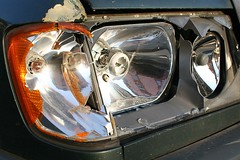
Yesterday it was so far. I disconnected myself or mußßte disconnect me. It was no different. It may mußßte. The relationship was not easy to maintain. Six years and 2 months we were together, have experienced a lot together, traveled together, we have supported each other and were there for each other. Sure, sometimes there were discrepancies. One wanted the other does not - just as normal. Still, he has been with me almost 93,000 kilometers - twice around the Earth, and yet almost He has never got beyond Europe. We went to Denmark, the Netherlands, Belgium, France, Austria and traveling together have seen much of Germany. For this he was given to me nearly 9400 liters of the finest super unleaded, which corresponded to a value of nearly € 11 820. In addition, he has not for operations that were absolutely necessary for continued life, swallowed up 5,000 euros. The wrinkled face in the picture above had thankfully not included. This was inflicted by a sweeper cleaning the Frankfurt city - he came here after all almost died! Only with great difficulty I was able to experts from the insurance of the opposing party time to pay the required emergency surgery , The move secured his and my other mobile existence.

he has now had its day - Must be logged in soft and make a newer contemporaries place he has is macabre, it is also, by his death, even of that. As terrible as this can run with the scrapping also.

Now he's just a lump of metal, rubber, plastic, carpet, fabric, glass and metal with rectangular Grundmaßßen.

I shall never forget and I think many of my friends that he has always brought safely from A to B does not. Thanks

car.

Błąd 0x4004f00c

death at 21 - Farewell


Yesterday it was so far. I disconnected myself or mußßte disconnect me. It was no different. It may mußßte. The relationship was not easy to maintain. Six years and 2 months we were together, have experienced a lot together, traveled together, we have supported each other and were there for each other. Sure, sometimes there were discrepancies. One wanted the other does not - just as normal. Still, he has been with me almost 93,000 kilometers - twice around the Earth, and yet almost He has never got beyond Europe. We went to Denmark, the Netherlands, Belgium, France, Austria and traveling together have seen much of Germany. For this he was given to me nearly 9400 liters of the finest super unleaded, which corresponded to a value of nearly € 11 820. In addition, he has not for operations that were absolutely necessary for continued life, swallowed up 5,000 euros. The wrinkled face in the picture above had thankfully not included. This was inflicted by a sweeper cleaning the Frankfurt city - he came here after all almost died! Only with great difficulty I was able to experts from the insurance of the opposing party time to pay the required emergency surgery , The move secured his and my other mobile existence.

he has now had its day - Must be logged in soft and make a newer contemporaries place he has is macabre, it is also, by his death, even of that. As terrible as this can run with the scrapping also.

Now he's just a lump of metal, rubber, plastic, carpet, fabric, glass and metal with rectangular Grundmaßßen.

I shall never forget and I think many of my friends that he has always brought safely from A to B does not. Thanks

car.

Wednesday, July 8, 2009

Poptropicaclothescheats

disease

Why was the goat in Peter Heidi do not really mumps?

Poptropicaclothescheats

disease

Why was the goat in Peter Heidi do not really mumps?